
Map the chain
We identify the parties that influence adoption, production, certification, distribution, and demand.
What We Do
We help build the environment around a technology so adoption becomes possible beyond the lab.
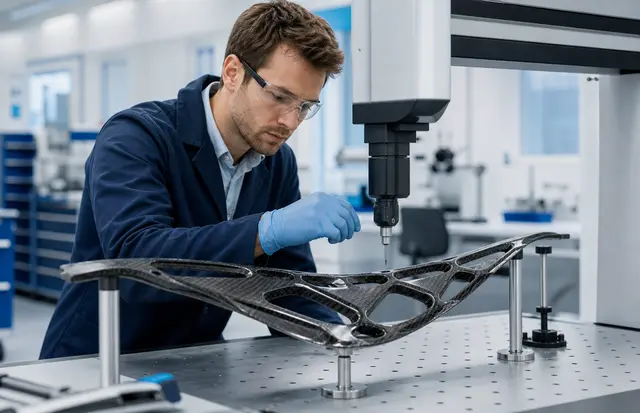
The Challenge
Advanced materials rarely scale through one decision-maker. Adoption can depend on suppliers, converters, manufacturers, certification partners, buyers, and end users working in the right sequence.
We map the value chain and identify which partners, proof points, and commercial conditions are required to create adoption. + blank line + Then we help teams move from stakeholder maps to actual conversations and collaboration tracks.
Approach
We identify the parties that influence adoption, production, certification, distribution, and demand.
We clarify where economics, standards, production readiness, or trust may slow progress.
We define which relationships matter first and what each partner needs to see.
We help turn ecosystem insight into pilot, partner, or co-development opportunities.
Outcomes
The team understands who must be involved for adoption to happen.
Effort is focused on the relationships that can unlock momentum.
Barriers are addressed earlier instead of after technical development is complete.
Customers and investors see a more credible route to market.
Audience
Teams whose adoption depends on multiple partners across the chain.
Solutions that require collection, processing, manufacturing, and buyer alignment.
Companies building new material routes with external stakeholders.
Programs that need industry connection and adoption logic.
No. The goal is to move from maps to partner conversations and practical collaboration.
Yes. We can help prepare the story, priorities, and first conversation path.
Because value-chain constraints often determine whether a strong technology can actually reach the market.
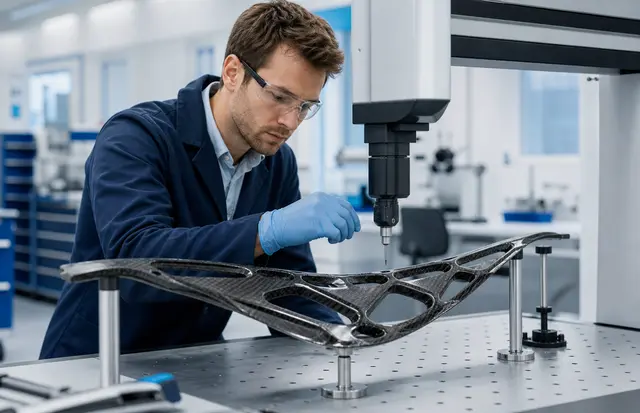
For a circular material technology, value-chain work can reveal the processors, converters, and launch partners required before adoption can scale.